
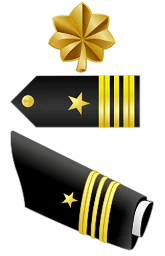
What a lieutenant commander does
- Serves as department head aboard destroyers, cruisers, carriers and amphibious ships
- Serves as executive officer of smaller ships or squadrons
- Serves on fleet and joint staffs as a planner or operations officer
- Commands small ships or units in some communities
- Completes joint professional military education and graduate degrees
How to become a lieutenant commander
Selection to Lieutenant Commander is made by a statutory promotion board. Under the Defense Officer Personnel Management Act framework, the Department of Defense sets planning goals for promotion opportunity and timing to O-4, O-5 and O-6; for O-4 the guidance is that 70 to 90 percent of lieutenants be promoted, at 9 to 11 years of commissioned service. Boards select the best-qualified officers within each community's quota. Selected officers must be confirmed by the Senate.
Lieutenant Commander pay
In 2026, basic pay for O-4 runs from $6,295 – $10,510 a month, rising with years of service. Basic pay is the same in every branch; housing (BAH) and food (BAS) allowances are paid on top. See the full 2026 military pay chart.
History of the rank
Congress created the lieutenant commander rank in July 1862, during the Civil War reorganization of the Navy's officer corps.
The insignia is a gold oak leaf on the collar and two half-inch stripes with a quarter-inch stripe between them on the sleeves and shoulder boards.
Lieutenant commanders do not wear the gold oak-leaf visor embroidery, nicknamed "scrambled eggs," that begins at commander. The custom traces to the rank's origin as "lieutenant commanding," and it keeps O-4 visually closer to the junior officers.
Medal of Honor recipients who held this rank
Sailors who earned the nation’s highest award for valor while serving as a lieutenant commander.
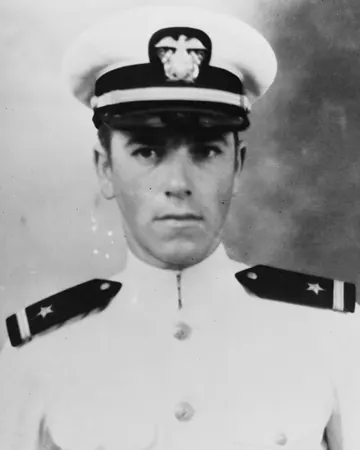
World War II · 1943
Bruce A. Van Voorhis
Lieutenant Commander · Posthumous
To head off a surprise Japanese attack, Van Voorhis volunteered for a 700-mile night flight with no escort to Greenwich Island in the Solomons. Under heavy fire and pursued by fighters, he made six low-level attacks that destroyed the enemy radio station and several aircraft. He was caught in the blast of his own bombs and crashed in the lagoon.
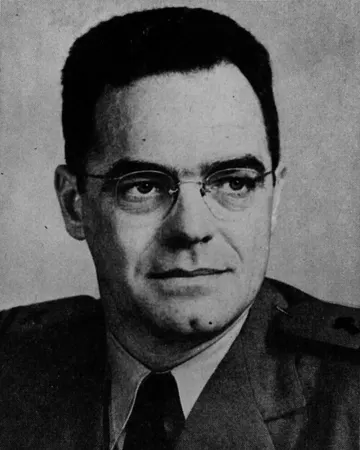
World War II · 1945
Joseph T. O'Callahan
Lieutenant Commander (Chaplain Corps)
O'Callahan was the chaplain of USS Franklin when Japanese aircraft set the carrier ablaze off Kobe. Through exploding bombs and rockets, he cared for the wounded and dying, led firefighting crews onto the flight deck, and helped dump live ammunition and flood a magazine.
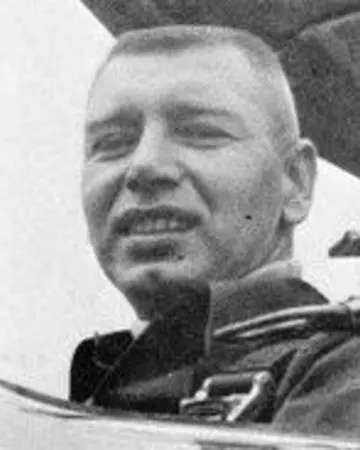
Vietnam War · 1967
Michael J. Estocin
Lieutenant Commander · Posthumous
Over Haiphong in April 1967, Estocin flew ahead of strike groups to knock out surface-to-air missile sites. On 20 April a missile badly damaged his plane, but he went back to attack and then made a fiery arrested landing on USS Ticonderoga with almost no fuel. On 26 April another missile hit him, and he still fired his missiles at the site before his burning aircraft left the area.
Equivalent ranks in other services
| Insignia | Branch | Rank |
|---|---|---|
 | Army | Major (MAJ) |
 | Marine Corps | Major (Maj) |
 | Air Force | Major (Maj) |
| Space Force | Major (Maj) |
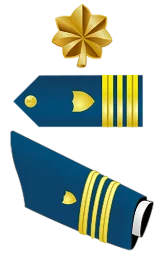 | Coast Guard | Lieutenant Commander (LCDR) |