
What a captain does
- Commands an aircraft carrier, large amphibious ship, cruiser or submarine tender
- Commands air wings, destroyer squadrons and major naval bases
- Leads major divisions on Navy and joint staffs
- Serves as chief of staff to a flag officer
- Serves as naval attaché or senior instructor
How to become a captain
Captains are selected by statutory board from commanders, with promotion opportunity set within Department of Defense planning goals. Only a fraction of commanders are selected, and successful command as a commander is usually the deciding factor. Major command, such as an aircraft carrier or air wing, is screened separately. Selections are confirmed by the Senate.
Captain pay
In 2026, basic pay for O-6 runs from $8,751 – $15,408 a month, rising with years of service. Basic pay is the same in every branch; housing (BAH) and food (BAS) allowances are paid on top. See the full 2026 military pay chart.
History of the rank
Captain was the highest rank in the U.S. Navy from 1775 until 1857, when Congress created the temporary flag officer title, and remained the top permanent rank until rear admiral was created in 1862.
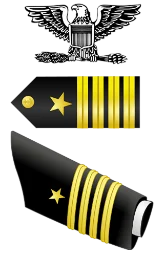
The insignia is a silver eagle on the collar, and four half-inch stripes on the sleeves and shoulder boards.
Early Navy captains such as John Paul Jones and the captains of the original six frigates built the reputation of the rank.
Medal of Honor recipients who held this rank
Sailors who earned the nation’s highest award for valor while serving as a captain.
World War II · 1941
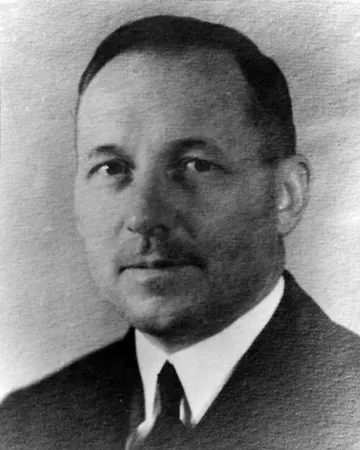
Mervyn S. Bennion
Captain · Posthumous
Bennion commanded USS West Virginia at Pearl Harbor. Mortally wounded on the bridge, he kept his attention on fighting and saving his ship and objected to being carried away from his post.
World War II · 1941
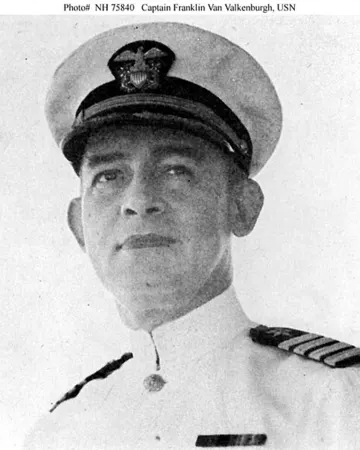
Franklin Van Valkenburgh
Captain · Posthumous
Van Valkenburgh commanded USS Arizona at Pearl Harbor and fought his ship until a bomb hit the bridge and the forward magazines exploded. He was killed in the explosion.
Vietnam War · 1969
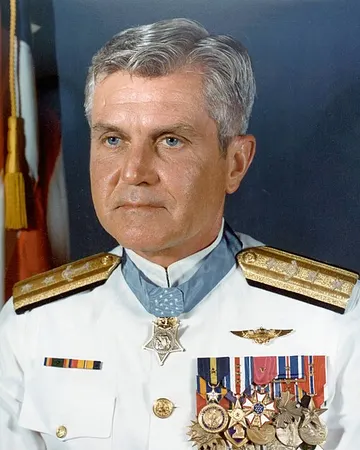
James B. Stockdale
Captain
Stockdale was the senior naval officer among the prisoners of war in North Vietnam and led their resistance to interrogation and propaganda. Facing a new round of torture, he wounded himself nearly to death to show his captors he would die rather than give in. The treatment of all the prisoners eased afterward.
Equivalent ranks in other services
| Insignia | Branch | Rank |
|---|---|---|
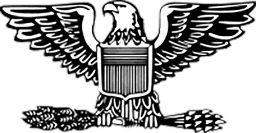 | Army | Colonel (COL) |
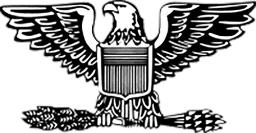 | Marine Corps | Colonel (Col) |
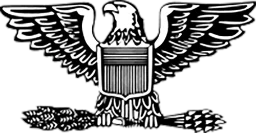 | Air Force | Colonel (Col) |
| Space Force | Colonel (Col) |
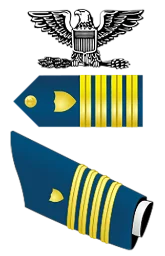 | Coast Guard | Captain (CAPT) |