
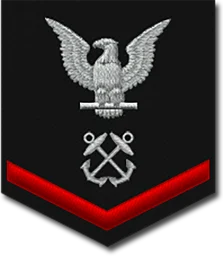
What a petty officer third class does
- Performs and documents maintenance and operations in the rating, from radar repair to aircraft refueling to pharmacy work
- Supervises small work teams of non-rated Sailors on a job or watch
- Stands more responsible watches, such as petty officer of the watch in port
- Trains junior Sailors on qualification standards and safety procedures
- Begins taking the Navy-wide advancement exam for E-5
How to become a petty officer third class
Most Sailors now reach E-4 through the time-in-service system adopted on 1 July 2024: 30 months of total service and a commanding officer's recommendation. To move up to E-5 a Third Class must serve the minimum time in rate (12 months at E-4, per NETC's advancement guidance), pass the rating's advancement exam (or the Rating Knowledge Exam in Billet Based Advancement ratings) and score high enough on the final multiple score, which combines exam results with performance evaluations and other points. Some ratings advance through Billet Based Advancement, and commands can advance top performers through the Meritorious Advancement Program.
Petty Officer Third Class pay
In 2026, basic pay for E-4 runs from $3,142 – $3,815 a month, rising with years of service. Basic pay is the same in every branch; housing (BAH) and food (BAS) allowances are paid on top. See the full 2026 military pay chart.
History of the rank
The Navy created three classes of petty officer in 1885, giving structure to a title that had been used loosely since the Continental Navy. Chief petty officer was added on top in 1893.
The petty officer badge, an eagle above a rating specialty mark and chevrons, goes back to the eagle-and-anchor device prescribed in the 1841 uniform regulations; specialty marks followed in 1866. Sailors have long called the badge a "crow."
For many years badges were worn on the right or left sleeve depending on the rating. A 1948 change to the uniform regulations moved every rating badge to the left sleeve, and right-arm rates were formally disestablished on 2 April 1949. On 29 September 2016 the Navy announced it would drop rating titles in favor of generic ones and reversed the decision that December after Sailors objected.
Medal of Honor recipients who held this rank
Sailors who earned the nation’s highest award for valor while serving as a petty officer third class.
World War II · 1945
Jack Williams
Pharmacist's Mate Third Class · Posthumous
On Iwo Jima with the 3d Battalion, 28th Marines, Williams dragged a wounded Marine into a shallow hole and shielded him with his own body while giving first aid. Shot three times, he finished treating that Marine, dressed his own wounds, and then cared for another casualty. He was struck by a sniper while finally heading to the rear and died of his wounds.
Korean War · 1953
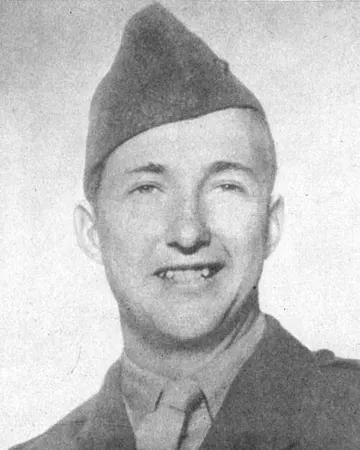
William R. Charette
Hospital Corpsman Third Class
During a night fight for an outpost near the Panmunjom corridor, Charette threw himself on a wounded Marine when a grenade landed beside them, taking the blast himself. With his helmet and aid kit torn away, he made bandages from his own clothing, gave his armored vest to a wounded Marine, and stood up in the trench under fire to treat another. He was credited with saving many lives and later rose to master chief.
Vietnam War · 1965
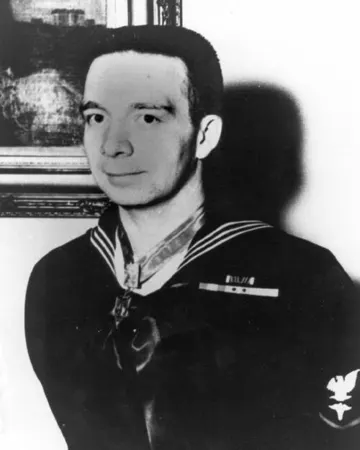
Marvin G. Shields
Construction Mechanic Third Class · Posthumous
Shields was a Seabee at the Special Forces camp at Dong Xoai when a Viet Cong regiment attacked. Wounded twice, he kept carrying ammunition, returning fire and moving a more badly hurt man to safety for hours. He then volunteered to go with his commander and knock out an enemy machine gun with a rocket launcher, and was mortally wounded on the way back.
Vietnam War · 1966
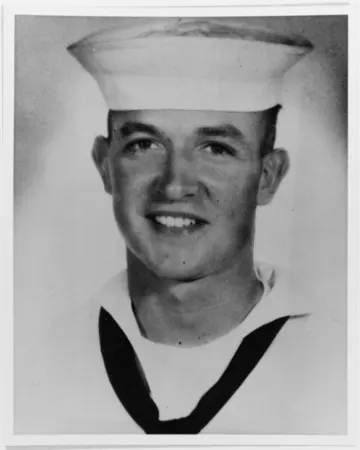
Robert R. Ingram
Hospital Corpsman Third Class
Ingram was the corpsman with the point platoon of C Company, 1st Battalion, 7th Marines when about 100 North Vietnamese regulars opened fire and cut the platoon down. He was shot four times, once through the hand, yet kept crawling across open ground to treat the wounded and gather ammunition until sunset. His actions saved many Marines that day.
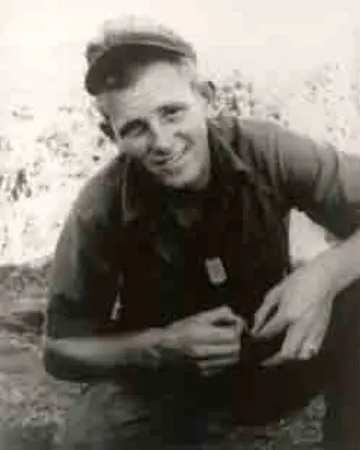
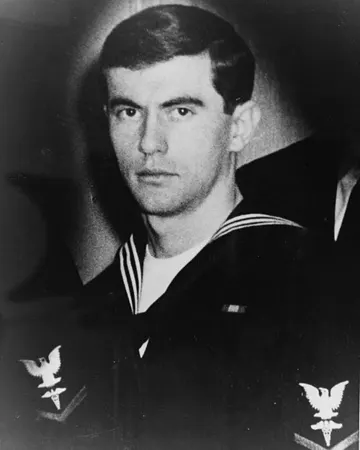
Vietnam War · 1968
Wayne M. Caron
Hospital Corpsman Third Class · Posthumous
Caron was a platoon corpsman with the 7th Marines when his unit came under heavy fire in an open rice field. Hit in the arm and then the leg, he kept going, saving one badly wounded Marine and crawling to treat another. He was still trying to reach a third when an enemy rocket killed him.
Equivalent ranks in other services
| Insignia | Branch | Rank |
|---|---|---|
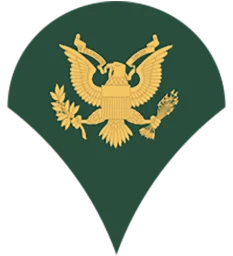 | Army | Specialist (SPC) |
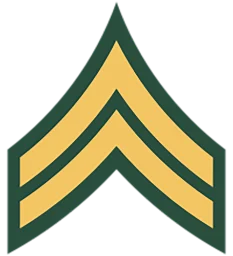 | Army | Corporal (CPL) |
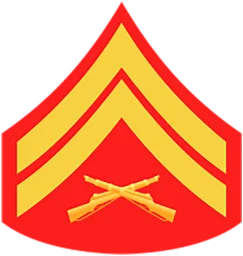 | Marine Corps | Corporal (Cpl) |
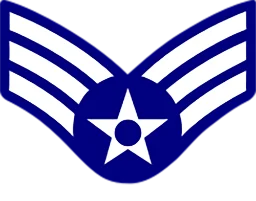 | Air Force | Senior Airman (SrA) |
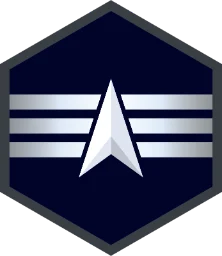 | Space Force | Specialist 4 (Spc4) |
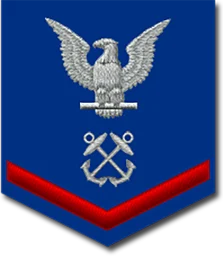 | Coast Guard | Petty Officer Third Class (PO3) |